【전북교육신문】군산평화박물관은 26일부터 4월 19일까지 특별전 <전쟁을 거부하는 마음과 인간애의 시선>을 개최한다. 이번 전시는 오키나와의 평화 운동가 아하곤 쇼코(1901~2002)가 기록한 전쟁과 그 이후 주민의 삶, 비폭력 평화운동의 과정을 담고 있다.
1945년 오키나와는 전쟁으로 약 20만 명이 희생된 곳으로, 특히 민간인의 피해가 컸다. 당시 일본군은 주민들에게 공포를 조장하며 집단자결을 강요했고, 가족과 이웃이 서로를 죽음으로 내모는 참혹한 상황이 벌어졌다. 이는 전쟁이 무고한 사람들의 삶을 얼마나 비극적으로 파괴하는지 극명하게 보여주는 사례로 꼽히기도 한다.
전쟁이 끝나도 주민들의 고통은 끝나지 않았다. 오키나와 이에지마는 미군 통치 아래에서 토지를 강제로 수용당하고 군사기지로 사용되었으며, 주민들은 포격 훈련 등으로 지속적인 피해를 입었다.
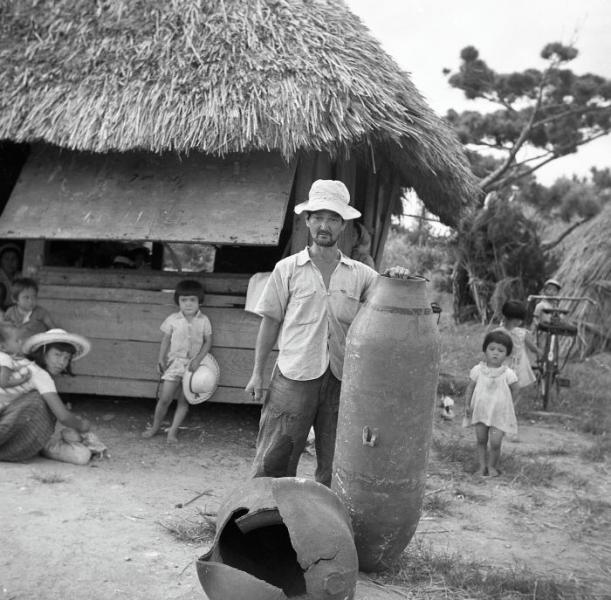
아하곤 쇼코는 미군의 전쟁기지에 맞서 주민들과 함께 비폭력 저항활동을 하며, 그들의 삶과 투쟁을 카메라에 기록했다. 그의 사진은 단순한 기록을 넘어, 전쟁기지로부터 땅을 되찾기 위한 주민들의 비폭력 저항과 인간의 존엄을 담아낸 것으로 평가된다.
이번 전시는 오키나와와 닮은 한국사회를 연결시킨다. 경기도 화성 매향리, 평택 대추리, 군산 하제마을, 성주 소성리 등 미군기지로 인해 삶의 터전을 위협받아 온 지역들의 현실이 전쟁 후 지금까지 이어지는 오키나와 이에지마의 역사와 닮아 있기 때문이다.
평화를 알리는 오키나와 사진전 한국실행위원회의 이재각 사진작가는 "이에지마 주민들이 전후 미군정기에 겪은 참상과 미군에 맞선 저항은 단지 흑백사진에 머물러 있는 과거가 아니다"라며 "지금 이 순간에도 세계 곳곳에서 전쟁이 벌어지고 있고, 우리 또한 겪을 수 있는 그러한 비극을 되풀이하지 않기 위해 무엇을 할 수 있을지 고민하는 계기가 되길 바란다"고 밝혔다.
군산평화박물관의 임재은 활동가는 "아하곤 쇼코의 사진을 통해 전쟁이라는 비극 안에서도 평화를 향한 주민의 힘을 볼 수 있다. 지금은 우리가 그 힘을 발휘할 때가 아닌가 생각한다."며 "이번 전시와 심포지엄을 통해 평화운동의 다양한 실천을 상상하고, 제안하는 시간이 되기를 바란다."고 말했다.
이번 전시는 수요일부터 일요일까지 운영되며, 평일은 오후 1시부터 5시까지, 주말은 오전 10시부터 오후 5시까지 관람할 수 있다.
Gunsan Peace Museum to Host Special Exhibition of Aha Gon Shoko
Gunsan Peace Museum will hold a special exhibition titled "The Heart of Rejecting War and the Gaze of Compassion" from the 26th of this month until April 19th. This exhibition contains records of war, the lives of residents after the war, and the process of nonviolent peace movements, as documented by the peace activist Ahagon Shoko (1901-2002) from Okinawa.
In 1945, Okinawa was a place where approximately 200,000 people were sacrificed due to the war, with significant civilian casualties. At that time, the Japanese military instigated fear among the residents, forcing mass suicides, leading to a horrific situation where families and neighbors were incited to kill each other. This serves as a stark example of how war tragically destroys the lives of innocent people.
Even after the war ended, the suffering of the residents did not cease. Okinawa's Iejima Island was forcibly acquired for land use by the US military, turning it into a military base, and the residents continued to suffer from ongoing shelling exercises.
Ahagon Shoko engaged in nonviolent resistance activities against the US military war bases, documenting the lives and struggles of the residents with his camera. His photographs are not just mere records but are evaluated as capturing the nonviolent resistance of the residents reclaiming their land from the war bases and the dignity of humanity.
This exhibition connects Korean society with Okinawa, as the realities of regions such as Maehyang-ri in Hwaseong, Daechu-ri in Pyeongtaek, Hajemaeul in Gunsan, and Soseong-ri in Seongju, which have been threatened by US military bases, resemble the history of Okinawa's Iejima Island from the post-war period until now.
Lee Jae-gak, a photographer and member of the Korean Organizing Committee for the Okinawa Photo Exhibition for Peace, stated, "The suffering experienced by the residents of Iejima under the pre and post-US military rule is not just confined to the past captured in black and white photographs." He expressed hope that reflecting on such tragedies happening worldwide at this moment and considering what can be done to prevent such repeated tragedies would be a catalyst for change.
Jae-eun, an activist at Gunsan Peace Museum, remarked, "Through Ahagon Shoko's photographs, we can see the strength of the residents towards peace even within the tragedy of war. I believe now is the time for us to exert that strength." He expressed his wish that this exhibition and symposium would be a time to imagine and propose various practical actions for peace movements.
The exhibition will be open from Wednesday to Sunday, with viewing hours from 1 pm to 5 pm on weekdays and from 10 am to 5 pm on weekends.
📝 Brief Summary:
Gunsan Peace Museum will host an exhibition titled "The Heart of Rejecting War and the Gaze of Compassion" documenting war records, post-war life, and peace movements by Ahagon Shoko from Okinawa. The exhibition aims to showcase the impact of war and the resilience of residents in reclaiming their land from military bases.
🗣️ Natural Korean Translation:
군산평화박물관은 오는 26일부터 4월 19일까지 "전쟁 거부의 마음과 연민의 시선"이라는 주제의 특별전을 개최할 예정입니다. 이 전시회는 오기나와 출신의 평화 활동가 아하곤 쇼코(1901-2002)가 기록한 전쟁 기록, 전쟁 후 주민들의 삶, 평화 운동 과정을 담고 있습니다.
❓ Comprehension Questions:
1. What is the main focus of the special exhibition at Gunsan Peace Museum?
전시회는 어떤 내용에 주로 초점을 맞추고 있나요?
2. How did the Japanese military influence the residents of Okinawa during the war?
일본 군대는 전쟁 중 오키나와 주민들에게 어떤 영향을 미쳤나요?
3. Why is Ahagon Shoko's documentation of nonviolent resistance significant for the exhibition?
아하곤 쇼코의 비폭력 저항 활동 기록이 전시회에서 중요한 이유는 무엇인가요?
💡 Vocabulary Learning:
1. nonviolent (비폭력적, adjective)
- using peaceful means rather than force or violence
- 폭력이나 힘 대신 평화적 수단을 사용하는
- Nonviolent protests have been effective in bringing about social change.
- 비폭력적 시위는 사회적 변화를 이끌어내는 데 효과적이었습니다.
2. resilience (탄력, noun)
- the ability to recover quickly from difficulties
- 어려움에서 빠르게 회복하는 능력
- The resilience of the community was evident in their ability to rebuild after the disaster.
- 커뮤니티의 탄력은 재난 후 재건하는 능력에서 명백했습니다.
3. catalyst (촉매, noun)
- something that causes change or action
- 변화나 행동을 일으키는 것
- The new policy acted as a catalyst for economic growth in the region.
- 새로운 정책은 그 지역의 경제 성장을 촉매로 작용했습니다.
4. imagine (상상하다, verb)
- to form a mental image or concept of something
- 머리 속에 이미지나 개념을 형성하다
- She could imagine a peaceful world where everyone lived in harmony.
- 그녀는 모든 사람이 조화롭게 살아가는 평화로운 세계를 상상할 수 있었습니다.
5. propose (제안하다, verb)
- to suggest a plan or idea for consideration
- 고려할 계획이나 아이디어를 제안하다
- The committee will propose a new strategy to improve efficiency.
- 위원회는 효율성을 향상시키기 위한 새로운 전략을 제안할 것입니다.

💬 댓글 (0)
댓글을 작성하려면 로그인이 필요합니다.
로그인첫 댓글을 작성해보세요!