정부가 전력 수요 분산과 재생에너지 활용 확대를 위해 시간대별 전기요금제를 본격 시행한다.
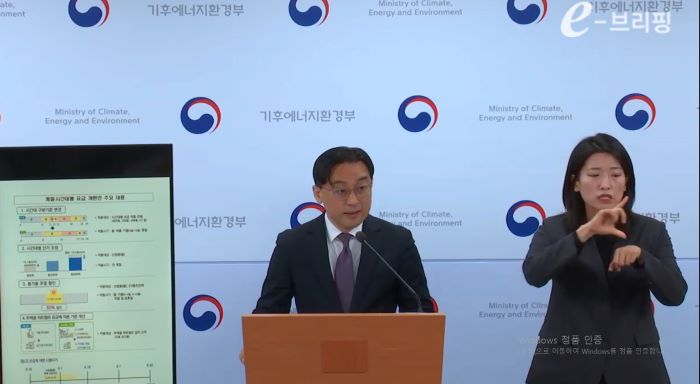
기후에너지환경부는 14일 브리핑을 통해 오는 16일부터 시간대별 전기요금 개편안을 적용한다고 밝혔다. 이번 개편은 전력 소비를 낮 시간대로 유도해 전력 수급의 효율성을 높이는 데 초점이 맞춰졌다.
이원주 기후에너지환경부 에너지전환정책실장은 “낮 시간대 전력 사용을 확대하고 저녁 피크 시간 수요를 줄이기 위한 구조 개편”이라고 설명했다.
개편안에 따르면 평일 오전 11시부터 오후 3시까지는 기존 최고 요금 구간이 중간 요금으로 낮아지고, 오후 6시부터 9시까지는 중간 요금이 최고 요금으로 상향된다. 특히 전력 공급이 상대적으로 여유로운 봄·가을 주말과 공휴일 낮 시간에는 별도의 할인도 적용된다.
정부는 이를 통해 태양광 발전 등 낮 시간대 재생에너지 활용도를 높이고, 저녁 시간 LNG 발전 의존도를 낮춰 최근 중동 정세 불안으로 촉발된 에너지 위기 대응에도 기여할 것으로 기대하고 있다.
이번 제도는 우선 산업용(을) 전력과 전기자동차 충전 전력에 적용된다. 산업용(을)은 전체 전력 소비의 절반에 가까운 비중을 차지하는 만큼 정책 효과가 클 것으로 전망된다.
다만 산업계의 준비 기간 요청을 반영해 일부 기업에는 적용 유예가 허용됐다. 지난 3월 23일부터 4월 10일까지 유예 신청을 받은 결과 총 514개 사업장이 신청했으며, 이들 기업은 9월 30일까지 준비 기간을 거쳐 10월 1일부터 개편 요금을 적용받게 된다.
전기차 이용자에 대한 혜택도 포함됐다. 주택이나 사업장 등에 설치된 자가 소비용 충전소 약 9만4천 기는 오는 18일부터 주말 및 공휴일 낮 시간(오전 11시~오후 2시)에 전력량 요금의 50% 할인 혜택이 적용된다.
또한 기후부와 한국전력이 운영하는 공공 급속충전기 약 1만3천 기에서도 같은 시간대 할인 요금이 적용되며, 공휴일에는 kWh당 42.7원, 토요일에는 48.6원의 할인 효과가 발생한다. 일부 민간 충전 사업자도 주말 할인 정책에 동참할 예정이다.
정부는 향후 적용 대상을 확대할 방침이다. 산업용 외 일반용과 교육용 전력에는 오는 6월 1일부터 시간대별 요금제가 적용되며, 주택용 역시 단계적으로 확대된다.
이미 제주 지역에서는 계절·시간대별 요금 선택제가 시행 중이며, 육지에서도 히트펌프를 설치한 주택은 기존 누진제 대신 시간대별 요금제를 선택할 수 있도록 제도가 개선됐다. 정부 관계자는 “재생에너지 확대에 따른 전력 수급 변화에 대응해 합리적인 전력 소비를 유도하는 정책을 지속적으로 추진해 나가겠다”고 밝혔다.
Electricity bill 'Time-of-use pricing' to be implemented starting from the 16th... Cheaper during the day, more expensive in the evening
<Climate and Energy Ministry Policy Briefing on the 14th>
The government is set to implement time-of-use electricity pricing to promote distributed power demand and expand the use of renewable energy.
The Ministry of Climate and Energy announced on the 14th that the new time-of-use electricity pricing scheme will be implemented starting from the 16th. This reform is aimed at inducing power consumption during off-peak hours to enhance the efficiency of power supply.
Lee Won-joo, Director of the Energy Transition Policy Division at the Ministry of Climate and Energy, explained, "The restructuring is aimed at expanding power usage during off-peak hours and reducing demand during evening peak hours."
According to the reform, from 11 a.m. to 3 p.m. on weekdays, the highest tariff bracket will be lowered to the mid-tier, while from 6 p.m. to 9 p.m., the mid-tier tariff will be raised to the highest level. Particularly, during weekends and public holidays in spring and autumn when power supply is relatively abundant during daytime, additional discounts will also be applied.
The government expects that this will increase the utilization of renewable energy sources such as solar power during off-peak hours and reduce the dependence on LNG power generation during evening hours, contributing to addressing energy crises triggered by recent uncertainties in the Middle East.
This system will initially apply to industrial electricity and electric vehicle charging. Since industrial electricity accounts for nearly half of total power consumption, significant policy effects are anticipated.
However, reflecting the request for a preparation period from the industrial sector, some companies have been granted a grace period for implementation. A total of 514 businesses applied for the grace period from March 23 to April 10, and these companies will undergo a preparation period until September 30, after which the revised tariffs will be applied from October 1.
Benefits for electric vehicle users have also been included. From the 18th, a 50% discount on electricity consumption charges during weekends and public holidays from 11 a.m. to 2 p.m. will be applied to around 94,000 private charging stations installed in homes or businesses.
Furthermore, the same time-based discount rates will be applied to around 13,000 public rapid chargers operated by the Ministry of Climate and Energy and Korea Electric Power Corporation, resulting in discounts of 42.7 won per kWh on holidays and 48.6 won per kWh on Saturdays. Some private charging operators are also expected to join the weekend discount policy.
The government plans to expand the scope of application in the future. Time-of-use pricing will be applied to general and educational electricity usage from June 1, and residential usage will also be gradually expanded.
In Jeju Island, a seasonal and time-of-use tariff selection system is already in place, and on the mainland, households with heat pumps can now choose time-of-use pricing instead of the existing tiered system.
An official from the government stated, "We will continue to promote policies that encourage rational power consumption in response to changes in power supply due to the expansion of renewable energy."
📝 Brief Summary:
The Ministry of Climate and Energy in Korea will implement time-of-use electricity pricing to encourage power usage during off-peak hours and reduce demand during peak hours. The reform aims to increase the use of renewable energy and decrease reliance on LNG power generation.
🗣️ Natural Korean Translation:
한국 기후 및 에너지부는 저공해 시간대 전기요금제를 도입하여, 저공해 시간대에 전력 사용을 촉진하고, 피크 시간대 수요를 줄이기 위한 시행을 할 예정이다. 이 개혁은 재생 에너지 사용을 증가시키고 LNG 전력 생산에 대한 의존도를 낮추기 위한 것이다.
❓ Comprehension Questions:
1. What is the main goal of implementing time-of-use electricity pricing in Korea?
주요 목표는 한국에서 저공해 시간대 전기요금제를 도입하는 것인가요?
2. How will the new electricity pricing system affect power consumption during peak hours?
새로운 전기요금제 시스템은 피크 시간대의 전력 사용에 어떻게 영향을 미칠 것인가요?
3. Which sector will initially be affected by the time-of-use pricing reform in Korea?
한국에서 저공해 시간대 요금제 개혁에 처음 영향을 받을 섹터는 무엇인가요?
💡 Vocabulary Learning:
1. distributed (분산된, adjective)
- spread out or scattered
- 전체적으로 분산되어 있는
- Solar panels are used for distributed energy generation in many homes.
- 많은 집에서 태양열판은 분산 에너지 생산에 사용됩니다.
2. induce (유발하다, verb)
- to bring about or give rise to
- 일으키거나 발생시키다
- The new policy aims to induce more people to use public transportation.
- 새로운 정책은 더 많은 사람들이 대중교통을 이용하도록 유도하려고 합니다.
3. tariff (요금, noun)
- a tax or duty to be paid on a particular class of imports or exports
- 특정 수입 또는 수출 분류에 대해 지불해야 하는 세금 또는 관세
- The government plans to lower tariffs on certain imported goods.
- 정부는 특정 수입품에 대한 관세를 낮추기로 계획하고 있습니다.
4. grace period (유예 기간, noun)
- a period of time after a payment becomes due, during which the payment can still be made without penalty
- 지불 기한이 지난 후에도 벌금 없이 지불할 수 있는 시간
- The bank offers a grace period of one week for loan repayments.
- 은행은 대출 상환에 대한 1주일의 유예 기간을 제공합니다.
5. rational (합리적인, adjective)
- based on or in accordance with reason or logic
- 이성 또는 논리에 따라 또는 그에 따라 기반을 둔
- It is important to make rational decisions when it comes to financial planning.
- 재정 계획에 관련된 결정을 할 때 합리적인 결정을 내리는 것이 중요합니다.

💬 댓글 (0)
댓글을 작성하려면 로그인이 필요합니다.
로그인첫 댓글을 작성해보세요!