<Sound of Breathing>
- 9 Korean competitive feature films and 1 documentary selected, totaling 10 films
- 3 programmers of Jeonju International Film Festival, "Judging was historically difficult"
From November last year to January this year, the 26th Jeonju International Film Festival received 165 films for the Korean competition, setting a record high once again following last year. Through thorough evaluation by the judges, the festival selected a total of 10 films, including 9 feature films and 1 documentary.
The Korean competition at the Jeonju International Film Festival is a section that introduces the first or second feature films of directors without genre distinctions, attracting attention every year as a gateway for emerging directors leading Korean cinema. Various works that have gone through the Korean competition in the past, such as the winner of the 22nd Korean competition, "Kim Min-young's Report Card," the winner of the 23rd Korean competition, "Jeongsoon," and the winner of the 25th Korean competition, "Time to Hunt," have proven their outstanding artistic quality by being invited to overseas film festivals or receiving international trophies.
This year, the judges for the Korean competition at the Jeonju International Film Festival were Moon Seok, Moon Sung-kyung, and Jeon Jin-soo, the programmers of the festival. The judges praised, "The judging for the 26th Jeonju International Film Festival Korean competition was of historical significance," and added, "Although the number of entries increased, it was very challenging to select 10 films due to the overall increase in the qualitative level of the films."
The most prominent keywords for this year's Korean competition were identified as 'LGBTQ' and 'pseudo-family with solidarity among women.' The judges noted, "Films related to LGBTQ were also strong in the Korean short film competition," and added, "It is worth considering whether the subtle changes in Korean society have naturally been reflected in films, or if it is the directors' intention or the preference of the film festival for LGBTQ themes."
Director Park Jun-ho's "3670" is a melodrama that depicts the love of Cheol-jun, a gay North Korean youth who can be called an 'outsider' in Korean society, as he feels alienation between the North Korean defectors' community and the LGBTQ community. The heartwarming director's "Summer Camera" intertwines the excitement of high school student Yeoreum towards her school friend and her father's secretive past, creating a story of growth.
The recurring theme of pseudo-family stories at the festival was combined with women's solidarity drama this year. The judges explained, "It seems that women's films showcased at various film festivals, including Jeonju, have evolved in this direction after the Me Too movement."
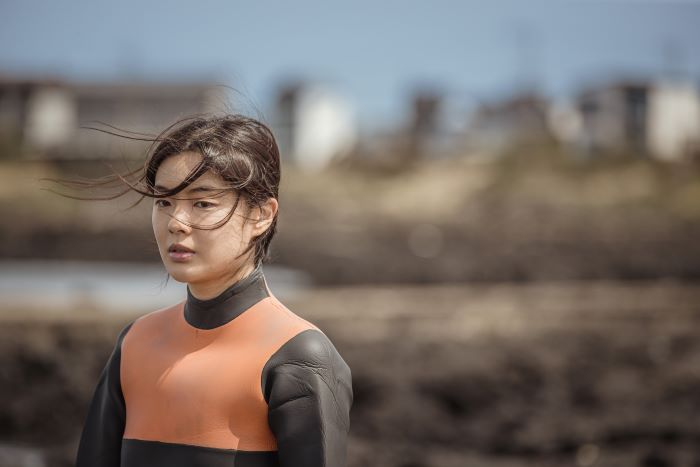
Director Bang Mi-ri's "Angel of Life" portrays Se-jung, who meets Eun-sook, a middle-aged woman who claims to be her guardian angel from her childhood, as she lives in anxiety about the future before leaving the orphanage, embarking on a journey to receive a deposit for a lease. In Director Lee Eun-jung's "Sound of Breathing," three generations of women in one family live together in solidarity. Director Yoon Shim-kyung's "Girl Pulling a Carrier" tells the story of 15-year-old Yeong-seon, abandoned by her adoptive parents, who becomes a tennis coach for the wealthy daughter Sua and grows closer to her mother Ji-young.
"97 Hye-ja, Drifter" by Director Jung Ki-hyuk and "Still, I Love You" by Director Kim Jun-seok are films that showcase the strength and excellent ensemble of the actors. "97 Hye-ja, Drifter" is a road movie about Hye-ja, a 'Busan woman' working at a call center for an insurance company in Seoul. "Still, I Love You" portrays the story of art and life through the protagonist theater couple.
Director Jo Hyun-seo's "Winter Light" depicts the story of high school student Dabin, who carries doubts about his family's situation and future, as he tries to leave school. Director Kim Tae-yoon's "Abang" follows Yoon, a young man leaving his hometown of Jeju Island to move to Seoul, as he learns about his father whom he never knew.
Meanwhile, only one documentary made it to the 26th Jeonju International Film Festival Korean competition. The judges stated, "There were many documentaries with good subjects and craftsmanship, but many of them unfolded with somewhat conventional narratives, and some works failed to highlight their subjects well." They highlighted, "Among the entries, Director Lee Eun-hee's documentary 'Colorless, Odorless' is a film with both high subject and craftsmanship."
"Colorless, Odorless" sheds light on workers in semiconductor and display factories. Based on the work records and archive materials of workers exposed to fatal diseases like cancer in the factories, the documentary delves into the fundamental issues of frequent industrial accidents.
The judges expressed their gratitude to all the creators who submitted films, stating, "It is very encouraging that many high-quality works were submitted in a situation where the stagnation of the mainstream film industry is affecting the independent film industry, and various support is decreasing." They also added, "In the midst of the financial difficulties due to the government's reduction in support, the responsibility of the Jeonju International Film Festival is growing," and concluded, "We hope that Korean cinema will ignite a spark starting from the Jeonju International Film Festival."
The selected gems of the Korean competition can be seen at the 26th Jeonju International Film Festival. The festival is scheduled to be held from April 30 (Wednesday) to May 9 (Friday), 2025, in Jeonju, including the Jeonju Cinema Street.
? Summary:
The 26th Jeonju International Film Festival selected 10 films for the Korean competition, including 9 feature films and 1 documentary. The judges faced historical difficulties in choosing the films due to the high quality of submissions. The selected films cover a range of themes, including LGBTQ issues and stories of solidarity among women.
?️ Korean Translation:
제 26회 전주국제영화제에서는 한국 경쟁 부문을 위해 9편의 장편 영화와 1편의 다큐멘터리를 선정했습니다. 심사위원들은 높은 품질의 출품작으로 인해 역사적인 어려움을 겪었습니다. 선택된 영화들은 LGBTQ 문제와 여성들 간의 연대 이야기를 포함한 다양한 주제를 다루고 있습니다.
❓ Comprehension Questions:
1. How many films were selected for the Korean competition at the 26th Jeonju International Film Festival?
한국 경쟁 부문에서 제 26회 전주국제영화제에 몇 편의 영화가 선정되었나요?
2. What themes were identified as prominent keywords for this year's Korean competition?
올해의 한국 경쟁 부문에서 주요 키워드로 지정된 주제는 무엇이었나요?
3. Why did the judges find it challenging to select films for the Korean competition this year?
올해 한국 경쟁 부문의 영화를 선택하기 어려웠던 이유는 무엇이었나요?
? Vocabulary Learning:
1. ensemble, 앙상블, noun
Definition: a group of items viewed as a whole rather than individually
한국어로는 개별적으로가 아닌 전체적으로 본 아이템들의 집합을 의미합니다.
Example sentence: The movie showcased the excellent ensemble of talented actors.
영화는 재능 있는 배우들의 훌륭한 앙상블을 보여주었습니다.
2. solidarity, 연대, noun
Definition: unity or agreement of feeling or action, especially among individuals with a common interest
한국어로는 공통된 이해관계를 가진 개인들 사이의 연대를 의미합니다.
Example sentence: The community showed great solidarity in supporting each other during the crisis.
그 커뮤니티는 위기 상황에서 서로 지원하는 데 큰 연대를 보여주었습니다.
3. prominent, 두드러진, adjective
Definition: important, famous, or noticeable
한국어로는 중요하거나 유명하거나 눈에 띄는 것을 의미합니다.
Example sentence: The prominent artist's work was displayed in the center of the gallery.
두드러진 예술가의 작품이 갤러리 중앙에 전시되었습니다.
4. craftsmanship, 숙련, noun
Definition: skill in a particular craft or occupation
한국어로는 특정 공예나 직업에서의 기술을 의미합니다.
Example sentence: The furniture was beautifully made, showcasing the craftsman's exceptional craftsmanship.
가구는 아름답게 만들어졌고, 숙련된 장인의 탁월한 숙련을 보여주었습니다.
5. subtle, 섬세한, adjective
Definition: delicate or precise as to be difficult to analyze or describe
한국어로는 분석하거나 설명하기 어려울 정도로 섬세하거나 정확한 것을 의미합니다.
Example sentence: The artist used subtle shades of color to create a sense of depth in the painting.
작가는 회화에서 깊이감을 만들기 위해 섬세한 색조를 사용했습니다.

💬 댓글 (0)
댓글을 작성하려면 로그인이 필요합니다.
로그인첫 댓글을 작성해보세요!