
【전북교육신문】국가유산청은 울산광역시 남구 황성동의 신석기시대 유적에서 출토된 ‘고래뼈에 박힌 사슴뿔 작살촉’을 국가민속문화유산으로 지정했다.
‘고래뼈에 박힌 사슴뿔 작살촉’은 2010년 발굴조사가 진행된 신석기시대 유적에서 출토된 것으로, 고래의 꼬리뼈와 어깨뼈 일부에 해당하는 부위에 각각 1개씩 박힌 상태로 발견되었다. 울산박물관이 소장한 2점의 작살촉은 사슴뿔을 뾰족하게 갈아 만들었는데, 사슴뿔은 강도가 높아 선사시대 사냥도구 재료로 선호되었다.
어로 활동은 수렵과 더불어 한반도 신석기 문화를 특징짓는 핵심적인 생업 양상 중 하나로, ‘고래뼈에 박힌 사슴뿔 작살촉’은 이 시기 한반도인의 생활문화와 생업기술, 도구 제작 기술 등을 구체적으로 보여준다. 특히, 작살촉이 고래뼈에 박힌 상태로 발견되어 신석기시대 도구의 제작 목적과 사용 흔적, 도구와 사냥 대상 간의 관계를 직접적으로 보여주며, 이러한 사례는 국내외적으로도 매우 희소하여 역사적·학술적 가치가 크다.
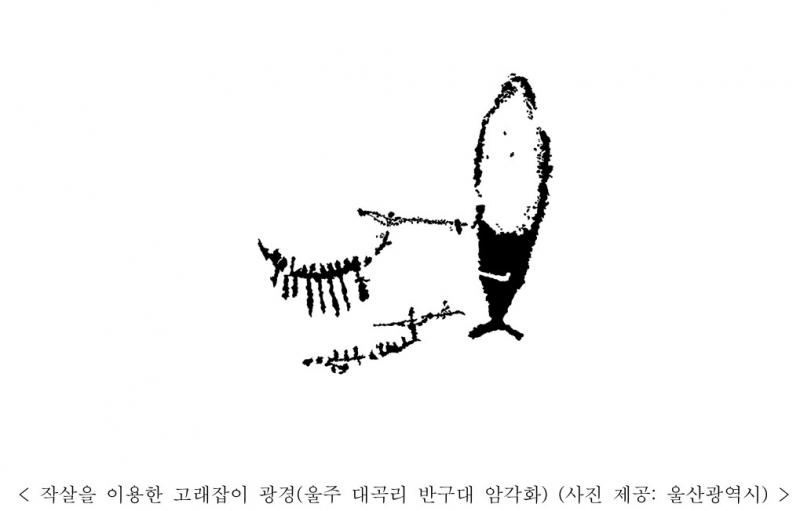
아울러 2025년 유네스코 세계유산으로 등재된 울산광역시 소재 ‘반구천의 암각화’에도 배와 작살, 그물 등을 사용한 고래잡이 장면이 묘사되어 있는데, ‘고래뼈에 박힌 사슴뿔 작살촉’은 이와 같은 묘사가 단순히 상징적이거나 제의적인 표현이 아니라, 실제 신석기시대에 이뤄진 고래잡이 활동에 대한 기록임을 입증하는 문화유산이라는 점에서도 가치가 크다.
National Folk Cultural Heritage Designation for 'Deer Antler Arrowhead Embedded in Whale Bone'
The Cultural Heritage Administration has designated the 'Deer Horn Arrowhead Attached to Whale Bone' excavated from the Neolithic site in Hwangseong-dong, Nam-gu, Ulsan, as a national intangible cultural heritage.
The 'Deer Horn Arrowhead Attached to Whale Bone' was excavated from the Neolithic site where the excavation survey was conducted in 2010. It was discovered in a state where one each was attached to the tailbone and shoulder bone parts of the whale. The two arrowheads held by the Ulsan Museum were made by sharpening deer horns, which were preferred as hunting tools material in prehistoric times due to their high strength.
Fishing activities, along with hunting, are one of the core livelihood patterns that characterize the Neolithic culture of the Korean Peninsula. The 'Deer Horn Arrowhead Attached to Whale Bone' vividly demonstrates the lifestyle, livelihood techniques, tool-making techniques, etc., of the people of the Korean Peninsula during this period. In particular, the arrowheads being found attached to whale bones directly show the purpose of making Neolithic tools, traces of use, and the relationship between tools and hunting targets, making it a rare and valuable historical and academic asset domestically and internationally.
Furthermore, the 'Whale Hunting Scene Depicted with Boats, Arrowheads, Nets, etc.' at the 'Rock Carvings of Bangudae' in Ulsan, which was inscribed as a UNESCO World Heritage Site in 2025, also depicts scenes of whale hunting using boats, arrowheads, nets, etc. The 'Deer Horn Arrowhead Attached to Whale Bone' is of great value not only as a cultural heritage proving the record of actual whale hunting activities during the Neolithic period, but also because it is not merely symbolic or suggestive, but a tangible representation of such activities.
📝 Summary:
The Cultural Heritage Administration has designated the 'Deer Horn Arrowhead Attached to Whale Bone' found in Ulsan as a national intangible cultural heritage. This artifact demonstrates the hunting techniques and lifestyle of people in the Neolithic period on the Korean Peninsula.
🗣️ 자연스러운 한국어 번역:
문화재청은 울산 황성동 신석기 시대 유적지에서 발굴된 '고래 뼈에 붙은 사슬 화살촉'을 국가 무형문화재로 지정했습니다. 이 유물은 한반도 신석기 시대 사람들의 사냥 기술과 생활 방식을 잘 보여줍니다.
❓ Comprehension Questions:
1. What did the Cultural Heritage Administration designate as a national intangible cultural heritage?
문화재청은 무엇을 국가 무형문화재로 지정했나요?
2. How were the arrowheads attached to the whale bones in the 'Deer Horn Arrowhead Attached to Whale Bone' artifact?
'고래 뼈에 붙은 사슬 화살촉' 유물에서 화살촉은 어떻게 고래 뼈에 붙었나요?
3. What does the artifact 'Deer Horn Arrowhead Attached to Whale Bone' demonstrate about the Neolithic culture of the Korean Peninsula?
'고래 뼈에 붙은 사슬 화살촉' 유물은 한반도 신석기 시대 문화에 대해 무엇을 보여주나요?
💡 Vocabulary Learning:
1. excavated, 발굴하다 (verb)
To dig out and remove earth from a site in order to uncover archaeological remains.
발굴하다는 고고학적 유적을 발굴하기 위해 사이트에서 흙을 파내고 제거하는 것을 의미합니다.
Example sentence: The archaeologists excavated the ancient ruins to learn more about the civilization.
예문: 고고학자들은 문명에 대해 더 알기 위해 고대 유적을 발굴했습니다.
2. livelihood, 생계 (noun)
The means of supporting oneself, especially financially.
자신을 지원하는 수단, 특히 재정적으로 지원하는 것을 의미합니다.
Example sentence: Fishing and farming were their main livelihoods in the village.
예문: 그들의 주요 생계 수단은 마을에서 어업과 농업이었습니다.
3. prehistoric, 선사 시대의 (adjective)
Relating to or denoting the period before written records.
문서로 남기기 전의 시기에 관한 것을 의미합니다.
Example sentence: The cave paintings provide insight into prehistoric human life.
예문: 동굴 그림은 선사 시대 인간의 삶에 대한 통찰력을 제공합니다.
4. artifact, 유물 (noun)
An object made by a human being, typically an item of cultural or historical interest.
인간이 만든 물건으로, 일반적으로 문화적 또는 역사적 흥미를 끄는 물건을 의미합니다.
Example sentence: The museum displayed ancient artifacts from different civilizations.
예문: 박물관은 다양한 문명의 고대 유물을 전시했습니다.
5. tangible, 만질 수 있는 (adjective)
Perceptible by touch; clear and definite.
만질 수 있는; 명확하고 확실한 것을 의미합니다.
Example sentence: The tangible evidence supported the theory of the crime.
예문: 만질 수 있는 증거가 그 범죄 이론을 뒷받침했습니다.
💬 댓글 (0)
댓글을 작성하려면 로그인이 필요합니다.
로그인첫 댓글을 작성해보세요!