【전북교육신문】앞으로 학교 주변에서 학생들의 학습권과 정서적 안전을 해칠 우려가 있는 혐오·모욕성 집회나 과도한 소음 시위가 법적으로 제한된다. 국회는 20일 본회의에서 ‘교육환경 보호에 관한 법률’ 일부개정안을 의결했다. 개정안은 공포 후 3개월 뒤부터 적용될 예정이다.
이번 개정의 핵심은 학교 경계선으로부터 직선거리 200m 이내, 즉 ‘교육환경보호구역’에서 열리는 옥외집회와 시위에 대해 경찰과 학교 간 협조 체계를 의무화한 점이다. 집회·시위가 교육환경보호구역 내에서 신고되면, 관할 경찰서장이나 시·도경찰청장은 이를 곧바로 학교장에게 통보해야 한다.
또한 학교장이 해당 집회나 시위로 인해 학생의 학습권이 명백하게 침해될 위험이 있다고 판단할 경우, 경찰에 집회 금지 또는 제한 조치를 요청할 수 있도록 했다. 경찰은 특별한 사정이 없는 한 이러한 요청을 이행하고, 그 결과를 2일 이내에 학교에 알리도록 규정했다.
학습권 침해 우려 집회·시위의 구체적 기준도 법에 명시됐다. 특정 국가, 지역, 민족, 인종, 피부색 등을 근거로 개인이나 집단을 차별하거나, 모욕·비하할 목적이 있는 행위가 규제 대상에 포함된다. 또한 확성기, 북, 꽹과리 등을 사용해 심각한 소음 피해를 유발하거나, 욕설·폭언·비속어를 반복적으로 사용하는 집회 역시 제한될 수 있다.
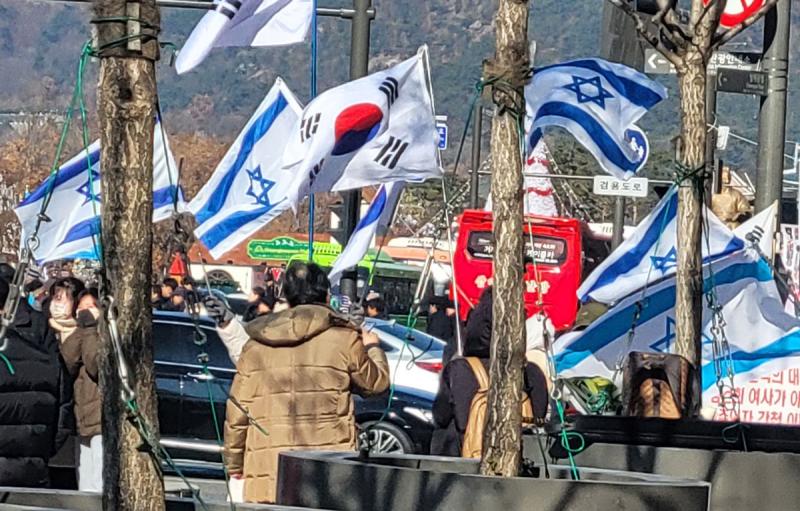
이번 법 제·개정의 배경에는 지난해부터 학교 주변에서 벌어진 혐오성 집회를 둘러싼 논란이 있다. 서울 구로구, 성동구, 서초구 등 일부 학교 인근에서는 중국인과 이주민을 겨냥한 집회가 잇따라 열려 학생들의 정서적 안정과 학습권 보호 필요성이 대두됐다. 옛 일본대사관 앞 평화의 소녀상 주변에서도 일본군 위안부 피해자를 모욕하는 내용의 집회가 이어지면서 학교 인근 집회에 대한 규제 요구가 꾸준히 제기됐다. 올해 1월 7일에는 극우 성향 단체가 소녀상 앞에서 ‘반일은 차별이자 혐오다’라는 내용의 손팻말을 든 채 집회를 열어 논란이 일었다.
법안은 지난 3월 12일 국회 교육위원회 소위를 통과했고, 이어 24일 교육위 전체회의에서 재석 12명 중 8명의 찬성으로 의결됐다. 이후 법제사법위원회 심사 등을 거쳐 이날 본회의까지 통과했다.
심사 과정에서 여야 의견차도 뚜렷했다. 국민의힘은 법안이 사실상 특정 정치적 시위, 예를 들어 반중 집회를 겨냥할 소지가 있다며 반대 입장을 밝혔다. 특히 ‘출신 국가·지역·민족·인종·피부색 등’을 이유로 한 규정이 자의적 해석의 여지가 있고, 이로 인해 헌법이 보장하는 표현과 집회의 자유를 침해할 수 있음을 지적했다.
반면, 민주당은 학교 주변이라는 제한적 공간에서 학생의 학습권과 안전을 보장하기 위한 최소한의 보호라고 강조하며 법안의 필요성을 주장했다. 법 시행 이후에도 표현의 자유와 학생의 학습권 사이 경계 설정이 관건으로 남아 있다.
특히 ‘차별·모욕·비하할 목적’이라는 조항 해석 기준과 정치적 성격 및 내용에 따라 법이 선별적으로 적용되는 것을 어떻게 막을지가 주요 과제로 꼽힌다. 또한 규제 범위 자체가 국가·지역·민족·인종·피부색 등에만 해당된다는 점에서, 장애나 성별 등 다른 요인에 기반한 혐오 표현은 현행 규정만으로 규제하기 어렵다는 지적도 제기된다.
아울러 집회 제한 권한이 학교장에게 사실상 주어지면서, 각 학교장 판단에 따라 유사한 집회도 상이한 조치가 내려질 수 있어 형평성 논란이 예상된다. 국회입법조사처 역시 학교 주변 혐오 집회가 학생의 인격권과 학습권을 실질적으로 침해할 수 있다며 일정 수준의 규제가 필요하다고 진단했다. 다만, 헌법상 보장된 집회 및 표현 자유와 충돌을 최소화할 수 있도록 보다 정교한 제도 설계가 필요하다는 점도 강조했다.
Law restricting 'hate protests' within 200m of schools passed by National Assembly... to be enforced 3 months after promulgation
In the future, there will be legal restrictions on hate speech or derogatory rallies and excessive noise demonstrations that could harm students' right to education and emotional safety around schools. On the 20th, the National Assembly passed an amendment to the 'Law on the Protection of Educational Environment' during a plenary session. The amendment is scheduled to take effect three months after its promulgation.
The key point of this amendment is the mandatory cooperation system between the police and schools for outdoor rallies and demonstrations held within 200 meters of the school boundaries, known as the 'Educational Environment Protection Zone.' If a rally or demonstration is reported within the educational environment protection zone, the jurisdictional police chief or the city/provincial police commissioner must immediately inform the school principal.
Furthermore, the amendment allows the school principal to request the police to prohibit or restrict rallies if there is a clear risk of infringement on students' right to education due to the particular rally or demonstration. The police are required to comply with such requests unless there are special circumstances, and they must inform the school of the outcome within two days.
Specific criteria for rallies or demonstrations that may infringe on the right to education have been specified in the law. Acts that discriminate against or insult individuals or groups based on specific countries, regions, ethnicities, races, skin colors, etc., are subject to regulation. Rallies that cause significant noise disturbances using loudspeakers, drums, or other means, or that repeatedly use insults, verbal abuse, or profanity, may also be restricted.
The background of this amendment lies in the controversy surrounding hate rallies near schools since last year. In some areas near schools in Seoul such as Guro-gu, Seongdong-gu, and Seocho-gu, rallies targeting Chinese and immigrants have been held successively, highlighting the need to protect students' emotional stability and right to education. Controversies arose as rallies insulting Japanese military comfort women victims continued near the Peace Statue in front of the former Japanese Embassy, leading to persistent demands for regulation of rallies near schools. On January 7th this year, a far-right group sparked controversy by holding a rally in front of the Peace Statue with a banner stating, "Anti-Japan is discrimination and hatred."
The bill passed the parliamentary Education Committee subcommittee on March 12 and was then approved by 8 out of 12 members present at the full committee meeting on the 24th. It subsequently passed through the Legislation and Judiciary Committee and reached the plenary session on the same day.
During the review process, there were clear differences in opinions between the ruling party and the opposition. The opposition party expressed opposition, stating that the bill could potentially target specific political demonstrations, such as anti-China rallies. They particularly pointed out that the provision based on 'country of origin, region, ethnicity, race, skin color, etc.' could be subject to arbitrary interpretation, potentially infringing on the freedom of expression and assembly guaranteed by the constitution.
On the other hand, the ruling party emphasized the need for the bill as a minimum protection to ensure students' right to education and safety in the limited space around schools. Even after the law is enforced, the delineation between freedom of expression and students' right to education remains a crucial issue.
In particular, how to prevent selective application of the law based on the interpretation criteria of 'discrimination, insult, or defamation' and the political nature and content of the rallies is considered a major challenge. Additionally, there are concerns raised that the current regulations may not be sufficient to address hate expressions based on factors such as disabilities or gender, as the regulation scope is limited to countries, regions, ethnicities, races, and skin colors.
Moreover, with the authority to restrict rallies effectively given to school principals, there are concerns about potential fairness issues as similar rallies may receive different measures based on individual school principals' judgments. The Legislative Research Service of the National Assembly also emphasized the need for some level of regulation as hate rallies near schools could substantially infringe on students' dignity and right to education. However, they also highlighted the necessity for a more sophisticated institutional design to minimize conflicts with the constitutionally guaranteed freedom of assembly and expression.
📝 Summary:
The National Assembly in South Korea passed an amendment to the 'Law on the Protection of Educational Environment' to restrict hate speech, derogatory rallies, and excessive noise demonstrations near schools. The amendment establishes a mandatory cooperation system between police and schools for outdoor rallies within 200 meters of school boundaries. School principals can request police to prohibit or restrict rallies that may harm students' right to education, with specific criteria outlined in the law.
🗣️ Korean Translation:
한국 국회가 학교 주변에서의 혐오 발언, 비하 집회, 과도한 소음 시위를 제한하기 위해 '교육환경보호법' 개정안을 통과시켰습니다. 이 개정안은 학교와 경찰 간 의무 협력 체계를 수립하여 학교 경계로부터 200m 이내에서 개최되는 야외 집회에 대응합니다. 학교장은 교육권을 해칠 수 있는 집회를 제한하거나 금지할 것을 경찰에 요청할 수 있으며, 이에 대한 구체적인 기준이 법에 명시되어 있습니다.
❓ Comprehension Questions:
1. What is the main purpose of the amendment to the 'Law on the Protection of Educational Environment'?
개정안 '교육환경보호법'의 주요 목적은 무엇입니까?
2. What is the role of school principals in the new amendment regarding rallies near schools?
학교장의 새로운 개정안에서의 학교 주변 집회에 대한 역할은 무엇입니까?
3. Why did controversies arise leading to the need for this amendment near schools in Seoul?
서울의 학교 주변에서 이 개정안이 필요한 이유로 인해 논란이 일어난 이유는 무엇입니까?
💡 Vocabulary Learning:
1. derogatory (부정적인, 혐오적인, 형용사)
- showing a critical or disrespectful attitude
- 비판적이거나 경멸적인 태도를 보여주는
- The derogatory remarks made by the speaker offended many people.
연설자가 한 비하적인 발언은 많은 사람들을 불쾌하게 했습니다.
2. jurisdictional (관할권의, 형용사)
- relating to the official power to make legal decisions
- 법적 결정을 내릴 권한과 관련된
- The jurisdictional police chief has the authority to handle cases in that area.
관할 경찰서장은 그 지역의 사건을 처리할 권한이 있습니다.
3. infringement (침해, 명사)
- the action of breaking the terms of a law, agreement, etc.
- 법, 협정 등의 조건을 어기는 행위
- The rally organizers were warned about possible infringement on students' rights.
집회 주최자들에게 학생들의 권리에 대한 가능한 침해에 대해 경고가 있었습니다.
4. persistent (끈질긴, 형용사)
- continuing firmly or obstinately in a course of action in spite of difficulty or opposition
- 어려움이나 반대에도 불구하고 단호하게 또는 완고하게 계속되는
- Despite the rain, the protesters were persistent in their demands.
비가 와도 시위대는 그들의 요구에 대해 끈질긴 태도를 보였습니다.
5. delineation (구분, 명사)
- the action of describing or marking the limits or boundaries of something
- 무언가의 한계나 경계를 설명하거나 표시하는 행위
- The delineation between freedom of speech and hate speech is crucial in this context.
말의 자유와 혐오 발언 사이의 구분은 이 문맥에서 중요합니다.

💬 댓글 (0)
댓글을 작성하려면 로그인이 필요합니다.
로그인첫 댓글을 작성해보세요!