【전북교육신문】전북특별자치도자연환경연수원은 ‘2026 달빛곤충탐사’를 지난 7월 24일부터 8월 13일까지 전주·무주·익산·군산에서 모두 6차례 진행했다.
총 7회로 기획된 이번 프로그램은 회차별 40명 규모로 시민과학자와 지역주민이 함께 참여해 야간 곤충과 지역의 생물다양성을 관찰하는 참여형 생태교육 프로그램이다.
탐사는 전주 폴짝폴짝맹꽁이숲을 시작으로 무주 자연환경연수원, 익산 용남초등학교, 군산 청암산 생태학습장, 무주 덕유산국립공원, 전주 지방정원에서 차례로 열렸다. 도심 숲과 학교, 생태학습장, 국립공원, 지방정원 등 서로 다른 환경에서 야간에 활동하는 곤충을 관찰하며 지역별 생태환경의 특징을 살펴봤다.
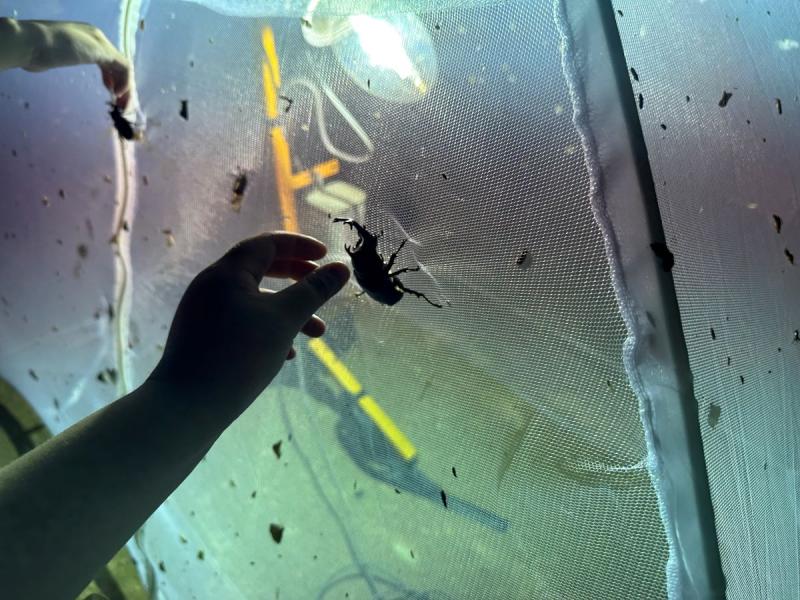
현장에서는 빛을 향해 모여드는 곤충의 특성을 활용한 등화 관찰을 통해 나방류와 딱정벌레류 등 다양한 야간 곤충을 확인했다. 참가자들은 사슴벌레류처럼 익숙한 곤충부터 평소 쉽게 지나치기 쉬운 작은 곤충까지 가까이에서 살펴보고, 해설을 통해 형태와 행동, 먹이와 서식처, 생태계에서의 역할 등을 알아봤다.
특히 이번 탐사는 곤충을 단순히 채집하는 체험보다는 직접 관찰하고 기록하며 생태를 이해하는 과정에 중점을 뒀다. 관찰 과정에서도 생물을 불필요하게 만지거나 서식지를 훼손하지 않도록 안내했으며, 잠시 관찰한 곤충은 다시 자연으로 돌려보냈다.
전북특별자치도자연환경연수원 관계자는 “밤과 빛이라는 조건을 활용해 낮에는 만나기 어려운 곤충을 직접 살펴볼 수 있다는 점이 달빛곤충탐사의 가장 큰 매력”이라며 “시민들이 우리 주변에 살아가는 다양한 생물을 발견하고 지역의 자연환경과 생물다양성에 관심을 갖는 계기가 되길 바란다”고 말했다.
마지막 7회차는 9월 중 무주에서 누구나 참여할 수 있는 반딧불이 탐사로 진행할 예정이다.
세부 일정과 참가 신청 방법, 준비사항은 전북특별자치도자연환경연수원 홈페이지(www.jayeon.or.kr)를 통해 안내할 예정이다.
The Natural Environment Education Center to hold the 6th "2026 Moonlight Insect Exploration"
The Jeonbuk Special Self-Governing Province Nature and Environment Training Center conducted the '2026 Moonlight Insect Exploration' program six times from July 24 to August 13 in Jeonju, Muju, Iksan, and Gunsan.
Planned for a total of 7 sessions, this program involved citizen scientists and local residents participating together in observing nocturnal insects and the biodiversity of the region, as a participatory ecological education program with 40 participants per session.
The exploration started at the Jeonju Poljjak Poljjak Maengkkongi Forest, followed by the Muju Nature and Environment Training Center, Iksan Yongnam Elementary School, Gunsan Cheongamsan Ecological Learning Center, Muju Deogyusan National Park, and Jeonju Local Garden. Participants observed insects active at night in different environments such as urban forests, schools, ecological learning centers, national parks, and local gardens, examining the characteristics of insects gathering towards light through light observation, confirming various nocturnal insects like moths and beetles. They closely observed insects ranging from familiar ones like stag beetles to small insects that are easily overlooked, learning about their forms, behaviors, food and habitats, and roles in the ecosystem through explanations.
In this exploration, the emphasis was on directly observing, recording, and understanding ecology rather than simply collecting insects. Participants were guided not to unnecessarily touch or disturb the habitats of the organisms, and the insects observed briefly were released back into nature.
An official from the Jeonbuk Special Self-Governing Province Nature and Environment Training Center said, "The biggest charm of the Moonlight Insect Exploration is that it allows people to directly observe insects that are difficult to encounter during the day by utilizing the conditions of night and light," adding, "We hope that this program will serve as an opportunity for citizens to discover the diverse organisms living around us and take an interest in the natural environment and biodiversity of the region."
The final 7th session will be a firefly exploration open to anyone in Muju in mid-September.
Details of the schedule, how to apply for participation, and necessary preparations will be provided through the Jeonbuk Special Self-Governing Province Nature and Environment Training Center website (www.jayeon.or.kr).
📝 Brief Summary:
The Jeonbuk Special Self-Governing Province Nature and Environment Training Center organized the '2026 Moonlight Insect Exploration' program, aiming to observe nocturnal insects and biodiversity in various locations. Citizen scientists and local residents participated in this ecological education program, focusing on observing, recording, and understanding ecology.
🗣️ Natural Korean Translation:
전북특별자치도자연환경교육원은 '2026 달빛곤충탐험' 프로그램을 개최하여, 야간곤충과 지역 생물다양성을 관찰하기 위한 시민 과학자와 지역 주민이 함께 참여하는 생태 교육 프로그램을 진행했습니다.
❓ Comprehension Questions:
1. What was the main focus of the '2026 Moonlight Insect Exploration' program?
야간곤충과 지역 생물다양성을 관찰하는 것이 이 프로그램의 주요 목표였나요?
2. How many participants were involved in each session of the program?
프로그램의 각 세션에 몇 명의 참가자가 참여했나요?
3. Why was it important for participants not to disturb the habitats of the organisms during the exploration?
탐험 중에 참가자들이 생물의 서식지를 방해하지 않는 것이 왜 중요했나요?
💡 Vocabulary Learning:
1. biodiversity, 생물다양성 (Noun)
- the variety of plant and animal life in a particular habitat
- 특정 서식지에 존재하는 식물과 동물 생명의 다양성
- The national park is known for its rich biodiversity.
- 그 국립 공원은 풍부한 생물다양성으로 유명합니다.
2. nocturnal, 야간의 (Adjective)
- active or occurring at night
- 밤에 활동하거나 발생하는
- Owls are known for being nocturnal birds.
- 부엉이는 야행성 새로 알려져 있습니다.
3. ecosystem, 생태계 (Noun)
- a biological community of interacting organisms and their physical environment
- 상호 작용하는 생물 군집과 그들의 물리적 환경
- The preservation of the ecosystem is crucial for the balance of nature.
- 생태계의 보존은 자연의 균형을 위해 중요합니다.
4. observe, 관찰하다 (Verb)
- to watch carefully the way something happens or the way someone does something
- 어떤 일이 어떻게 발생하거나 누군가가 어떻게 하는지 주의 깊게 보다
- Scientists observe the behavior of animals in their natural habitats.
- 과학자들은 동물의 행동을 자연 서식지에서 관찰합니다.
5. participant, 참가자 (Noun)
- a person who takes part in or becomes involved in a particular activity
- 특정 활동에 참여하거나 관여하는 사람
- The participants in the workshop shared their ideas and experiences.
- 워크샵 참가자들은 자신의 아이디어와 경험을 공유했습니다.

💬 댓글 (0)
댓글을 작성하려면 로그인이 필요합니다.
로그인첫 댓글을 작성해보세요!